Understanding how immigration uncertainty, fear of deportation, and family separation can affect emotional well-being—and how a psychological evaluation may help.
For many immigrants and their families, uncertainty is more than an occasional worry. It can become part of everyday life.
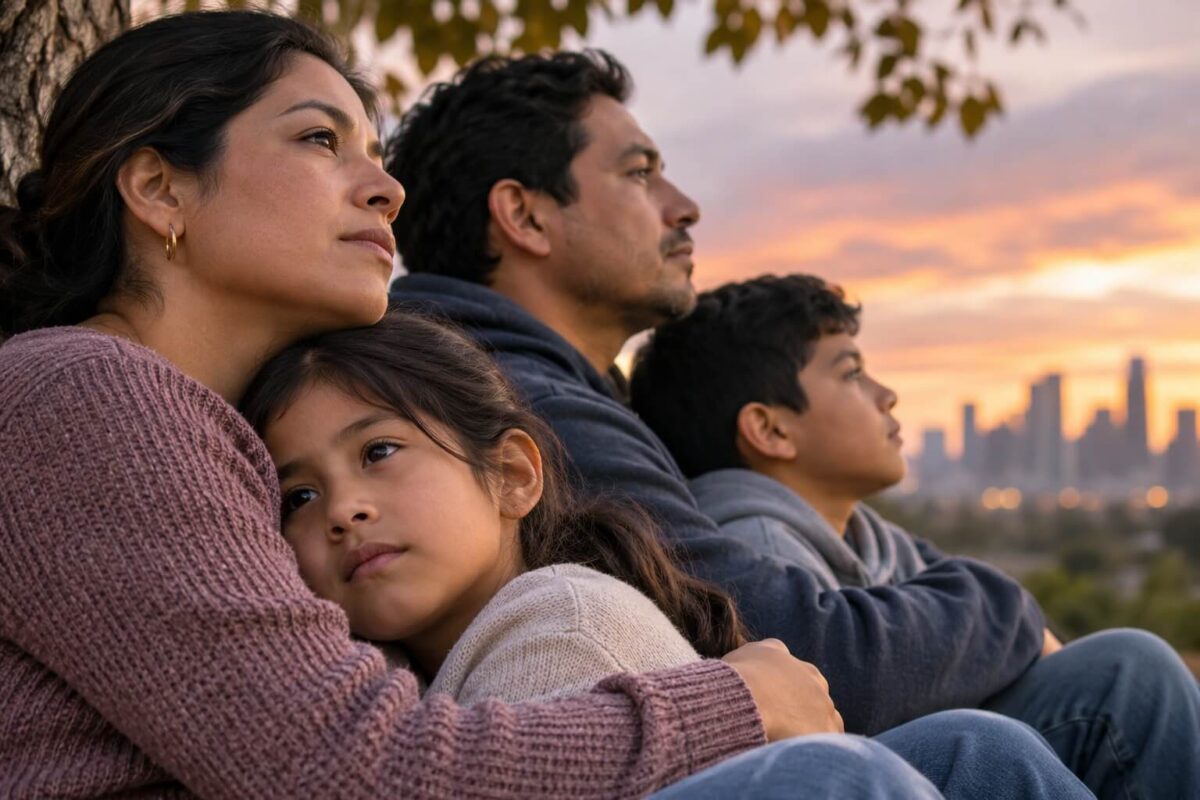
A parent may leave for work wondering whether they will return home that evening. A husband or wife may lie awake at night, imagining what would happen if their family were suddenly separated. Children may notice that something is troubling their parents, even when no one speaks openly about it.
For some families, these fears have existed for months or even years.
Living with the possibility of separation, deportation, or an uncertain immigration future can create an emotional burden that is difficult to explain to others.
And often, that burden remains invisible.
When Fear Becomes Part of Everyday Life
Everyone experiences stress. But when fear and uncertainty continue for a long time, they can begin to affect how we think, feel, and function.
You may find yourself worrying constantly about your family’s future. Perhaps you have difficulty sleeping, feel emotionally exhausted, or struggle to concentrate at work.
Some individuals experience:
- Constant worry, nervousness, or fear
- Difficulty sleeping or frequent nightmares
- Sadness, hopelessness, or emotional exhaustion
- Headaches, stomach discomfort, or other physical symptoms of stress
- Difficulty concentrating or making decisions
- Increased tension with a spouse or family members
- Fear of being separated from loved ones
Sometimes, individuals become so accustomed to living with these feelings that they begin to believe this is simply how life must be.
But living with constant fear can take a significant emotional toll.
You do not have to have a diagnosed mental health condition for your emotional suffering to be real or important.
The Fear of Family Separation
For many immigrant families, one of the greatest fears is the possibility of being separated from the people they love.
Imagine the emotional impact on a mother who worries about raising her children without her husband. Or a spouse who depends on their partner for emotional support, companionship, and financial stability.
For children, the possibility of losing daily contact with a parent may create feelings of fear, confusion, sadness, or insecurity.
Family separation can affect much more than where people live. It can disrupt relationships, emotional stability, family routines, and the sense of security that families have worked so hard to build.
For individuals who have experienced previous losses, trauma, or separation, these fears may be especially painful.
Sometimes, the possibility of losing someone can awaken memories of earlier experiences that were never fully understood or emotionally resolved.
These experiences deserve to be heard and understood.
Why Some People Struggle to Talk About Their Emotional Pain
Throughout my years of working with immigrant families, I have encountered individuals who find it difficult to express what they are experiencing emotionally.
Some have spent years putting their family’s needs before their own.
Others believe they must remain strong, regardless of how much they are suffering.
Cultural expectations may also influence how individuals communicate emotional distress. In some families, discussing anxiety, depression, or emotional difficulties is unfamiliar or uncomfortable.
You may have grown up hearing expressions such as “Hay que ser fuerte” (You have to be strong) or “Échale ganas” (Keep pushing forward).
Although these messages often come from a place of encouragement, they may also make it difficult to acknowledge emotional suffering.
Sometimes, a person will simply say, “I’m stressed,” without realizing how deeply that stress has affected their sleep, relationships, physical health, and everyday life.
Recognizing emotional distress is not a sign of weakness. It is an important step toward understanding what you have been experiencing.
What Is an Immigration Psychological Evaluation?
An immigration psychological evaluation is a comprehensive clinical assessment conducted by a qualified mental health professional.
Its purpose is to understand and document how certain experiences or circumstances have affected an individual’s emotional and psychological well-being.
Depending on the immigration case, an evaluation may explore the effects of family separation, trauma, abuse, persecution, or other significant hardships.
During the evaluation, you may be asked about your personal history, family relationships, emotional experiences, and how your circumstances have affected your everyday life.
You may also complete psychological questionnaires that help assess symptoms of anxiety, depression, trauma, or other emotional concerns.
The evaluation is not a test you pass or fail.
There are no perfect answers, and you do not need to know how to describe your feelings in clinical terms.
The most important thing is to share your experiences honestly and openly.
The purpose is not to exaggerate your suffering or identify a psychological disorder where none exists. It is to develop an accurate understanding of your emotional experiences and document relevant clinical findings.
How Can a Psychological Evaluation Help My Immigration Case?
Depending on the type of immigration case, your attorney may recommend a psychological evaluation to provide additional clinical documentation.
These evaluations may be relevant in several types of cases:
Extreme Hardship Waivers
An evaluation may document how separation from a loved one or relocation to another country could affect the emotional and psychological well-being of a qualifying family member.
VAWA Petitions
For individuals who have experienced domestic abuse, an evaluation may help document the psychological effects of emotional, physical, or other forms of mistreatment.
U Visa Cases
For victims of qualifying crimes, an evaluation may help explain the emotional and psychological consequences of the experience.
Asylum Cases
For individuals who have experienced persecution, violence, or traumatic events, an evaluation may document psychological symptoms associated with those experiences and relevant fears about returning to their country of origin.
Every immigration case is different. A psychological evaluation does not guarantee approval or replace the legal guidance provided by your attorney.
However, when appropriate, it can provide important clinical information that helps explain the emotional circumstances surrounding your case.
Why Being Understood in Your Own Language Matters
Talking about painful experiences can be difficult, especially when those experiences involve fear, trauma, family relationships, or deeply personal memories.
Expressing these emotions in a second language can make the process even more challenging.
As a bilingual clinician, I recognize the importance of allowing individuals to communicate their experiences in the language in which they feel most comfortable.
For Spanish-speaking clients, being able to speak directly with a clinician in Spanish may help them describe feelings and experiences that are difficult to translate.
Cultural understanding also matters.
Our family values, personal histories, traditions, and cultural backgrounds influence how we experience and express emotional distress.
A meaningful psychological evaluation considers these influences rather than focusing solely on a checklist of symptoms.
More Than 3,500 Evaluations, Each With a Unique Story
Over the course of completing more than 3,500 comprehensive immigration psychological evaluations, I have listened to individuals and families navigating some of the most difficult circumstances of their lives.
Although their immigration situations may differ, many share similar concerns: fear of separation, uncertainty about the future, responsibility for loved ones, and the desire to preserve the lives they have built.
As a bilingual, doctoral-level depth psychotherapist and Licensed Professional Counselor, my approach involves looking beyond the immediate symptoms to understand the emotional experiences, relationships, and personal histories that give those symptoms meaning.
Every individual has a unique story.
My responsibility is to listen carefully, conduct an objective clinical assessment, and prepare a comprehensive report that accurately reflects the psychological findings relevant to the immigration case.
Your Story Deserves to Be Heard
Living with immigration uncertainty can feel isolating. You may have spent years keeping your worries to yourself, trying to protect your family, or believing that you simply have to endure the emotional burden.
But your experiences matter.
An immigration psychological evaluation provides an opportunity for those experiences to be carefully examined and professionally documented when relevant to your immigration case.
Behind every immigration case is a person, a family, and a story that deserves to be understood.
We Are Here to Help
At Evaluations for Immigration, we understand that seeking a psychological evaluation may feel unfamiliar or even intimidating.
Our goal is to provide a welcoming, respectful, and culturally sensitive environment where you can share your experiences comfortably.
We offer comprehensive immigration psychological evaluations in English and Spanish, with appointments available in our Houston office or virtually when appropriate.
Whether your immigration attorney has recommended an evaluation or you would like to learn more about the process, our office is available to answer your questions and explain the next steps.
Contact Evaluations for Immigration to learn more or schedule your appointment.
www.evaluationsforimmigration.com
About the Author
Dr. Angelina H. Rodriguez, Ph.D., LPC-AT/S, ATR-BC, is a bilingual depth psychotherapist, Licensed Professional Counselor, and board-certified art therapist with more than 20 years of clinical experience. She has completed over 3,500 comprehensive immigration psychological evaluations, providing clinical assessments and documentation involving trauma, hardship, family separation, and other psychological concerns.
Through her practice, Evaluations for Immigration, she serves individuals and families navigating immigration-related circumstances, offering comprehensive, culturally informed psychological evaluations in English and Spanish.